skip to content

Top 10 Biopharmaceutical Manufacturing Trends You Should Know?

The world of Biopharmaceutical Manufacturing is evolving rapidly. With advancements in technology and increasing market demands, staying informed is crucial. Companies must adapt to new trends to remain competitive and compliant.

For example, the integration of automation and data analytics reshapes processes. This shift improves efficiency and reduces human error. Additionally, personalized medicine is gaining traction, necessitating a change in manufacturing strategies. Another trend is the growing emphasis on sustainability, pushing manufacturers to adopt greener practices.

However, challenges remain. The regulatory landscape is complex, and companies often struggle to keep up. Moreover, the reliance on technology raises concerns about data security and operational integrity. Understanding these trends is essential for future success in Biopharmaceutical Manufacturing, guiding decision-making and strategic planning.

Top 10 Biopharmaceutical Manufacturing Trends You Should Know?

Emerging Technologies Transforming Biopharmaceutical Manufacturing

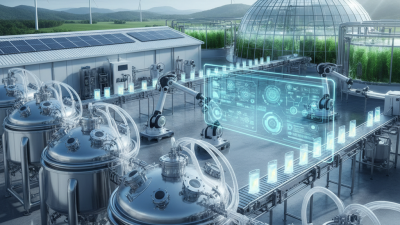
Emerging technologies are reshaping the biopharmaceutical manufacturing landscape. Advances in automation enhance production efficiency. Robotics streamline the mixing and filling processes, reducing human error. This shift allows staff to focus on critical tasks, increasing overall productivity.

Implementing AI and machine learning can predict equipment failures. These technologies analyze data in real time, optimizing maintenance schedules. Companies benefit from reduced downtime and lower operational costs. However, organizations must ensure they have the right data infrastructure in place. Poor data quality can lead to misguided decisions.

Tips: Regularly update and maintain data systems. Training staff on new technologies is essential for smooth integration. Failure to do so can result in wasted resources and delayed production. It's important to balance innovation with the current capabilities of your workforce.

Top 10 Biopharmaceutical Manufacturing Trends You Should Know

Trend Description Impact Year of Adoption
Continuous Manufacturing Shift from batch to continuous processes to enhance efficiency. Increases production speed and quality consistency. 2022
Single-Use Technologies Implementation of disposable equipment to minimize cleaning time. Reduces contamination risks and lowers operational costs. 2023
Process Analytical Technology (PAT) Real-time monitoring and control of manufacturing processes. Enhances product quality and regulatory compliance. 2021
Advanced Data Analytics Utilization of AI and machine learning for predictive analytics. Improves decision-making and operational efficiency. 2023
3D Printing in Production Using 3D printing to create biopharmaceutical tools and components. Facilitates rapid prototyping and custom solutions. 2024
Digital Twins Creating virtual replicas of the manufacturing processes. Enhances simulations and predictions of process outcomes. 2023
Internet of Things (IoT) Integration of IoT devices for better monitoring and control. Improves operational visibility and reduces downtimes. 2022
Blockchain for Supply Chain Using blockchain for secure and transparent supply chain management. Enhances traceability and security of biopharmaceuticals. 2025
Regenerative Medicine Production Advancements in manufacturing techniques for regenerative therapies. Supports innovation in treatment approaches and patient care. 2024

Sustainability Practices in Biopharmaceutical Production Processes

Sustainability is becoming crucial in biopharmaceutical production. The industry faces pressures to reduce its environmental footprint. This involves optimizing resource use and minimizing waste. Many companies are exploring alternative raw materials. They are focusing on renewable resources to replace non-sustainable ones. This shift can help decrease carbon emissions significantly.

Energy efficiency is another priority. Biopharmaceutical manufacturing is energy-intensive. Companies strive to adopt technologies that reduce energy consumption. This includes improving heating and cooling systems. Utilizing waste heat in production lines can also be beneficial. However, these changes often require a significant upfront investment, creating challenges for smaller companies.

Water usage is a critical concern as well. The biopharmaceutical sector consumes large amounts of water. It's essential to implement closed-loop systems. These systems recycle water within the production process. Yet, the technology may not be easily accessible for all organizations. Many face barriers in adopting sustainable practices. Balancing innovation with practicality remains a pressing issue in this field.

Regulatory Changes Impacting Biopharmaceutical Manufacturing Trends

Regulatory changes are reshaping the biopharmaceutical manufacturing landscape. In recent years, agencies have increased scrutiny on production processes to enhance drug safety and efficacy. A 2022 report from IQVIA revealed that regulatory compliance costs can represent up to 30% of total manufacturing expenses. This significant percentage demands that companies adapt quickly to evolving regulations.

One key trend is the adoption of real-time monitoring. The FDA has encouraged the implementation of more rigorous process controls. With advancements in technology, manufacturers can now leverage data analytics for quality assurance. For instance, integrating AI to monitor production can lead to error detection before they affect product quality. However, this also requires companies to continuously update their technology, often straining budgets.

Moreover, regulations surrounding personalized medicine are gaining traction. The FDA has developed frameworks that accommodate these innovations. This shift emphasizes the need for specialized manufacturing processes. As competitors rush to comply, maintaining quality while minimizing costs is vital. Reflecting on the process, companies may find it challenging to balance innovation with regulation, raising questions about future strategies.

Top 10 Biopharmaceutical Manufacturing Trends

Increasing Role of Automation and AI in Drug Production

The advent of automation and artificial intelligence (AI) in biopharmaceutical manufacturing is transforming the drug production landscape. These technologies enhance efficiency and precision. Automation streamlines repetitive tasks, allowing skilled workers to focus on complex processes. AI analyzes vast data sets, optimizing production parameters and predicting outcomes. This shift is not without its challenges. Integration of these advanced technologies can disrupt traditional workflows and requires staff training.

Moreover, the reliance on automated systems raises questions about oversight. While machines can perform tasks swiftly, human expertise remains essential for troubleshooting. For instance, unexpected results can arise during drug formulation. A human operator must evaluate the situation and make adjustments.

Additionally, data security is a concern. With increased digitalization, safeguarding sensitive information is critical. As the industry evolves, it must address these complexities while leveraging the benefits of automation and AI.

Engaging in this transformation is imperative for staying competitive. Yet, biopharmaceutical companies should ensure they retain a balance between technology and human insight. Embracing automation and AI is not just about speed; it’s also about reliability and quality. The journey ahead requires careful consideration of both innovations and inherent risks.

Importance of Supply Chain Resilience in Biopharmaceuticals

The biopharmaceutical industry faces constant pressures to ensure supply chain resilience. Recent disruptions have highlighted vulnerabilities in sourcing raw materials and manufacturing processes. A resilient supply chain can mitigate risks that threaten production. By diversifying suppliers and enhancing logistics, companies can safeguard their operations.

Investing in technology is key to strengthening these supply chains. Real-time data analytics offer visibility into potential disruptions. Companies can make informed decisions quickly. This proactive approach minimizes downtime and maximizes efficiency. However, technology adoption comes with challenges. Implementation costs can be high, and training employees takes time. There may also be resistance to change within established processes.

Maintaining flexibility is crucial. Companies must adapt to evolving market demands and regulatory changes. A rigid supply chain can lead to missed opportunities and increased costs. Regular assessments of supply chain strategies are necessary. This reflection helps in identifying weaknesses and areas for improvement. Overall, prioritizing resilience enables biopharmaceutical companies to navigate uncertainties effectively.