How to Choose the Best Lyophilization Machine for Your Business?
Choosing the right Lyophilization Machine for your business is crucial. This decision impacts product quality and operational efficiency. With various models available, it can be overwhelming. Your specific needs dictate the best choice.
Understanding the technology behind lyophilization is vital. The process involves freezing and drying products under vacuum. This method preserves the integrity of sensitive materials. It is essential for pharmaceuticals and food sciences. However, not all machines are created equal. Some may not meet industry standards or your specific requirements.
Evaluating each machine's features is necessary. Consider factors like capacity, energy efficiency, and maintenance costs. Don’t overlook the reliability of the manufacturer. Research their reputation and customer support options. This reflection is important for long-term satisfaction. Making an informed decision will enhance your production and business growth.
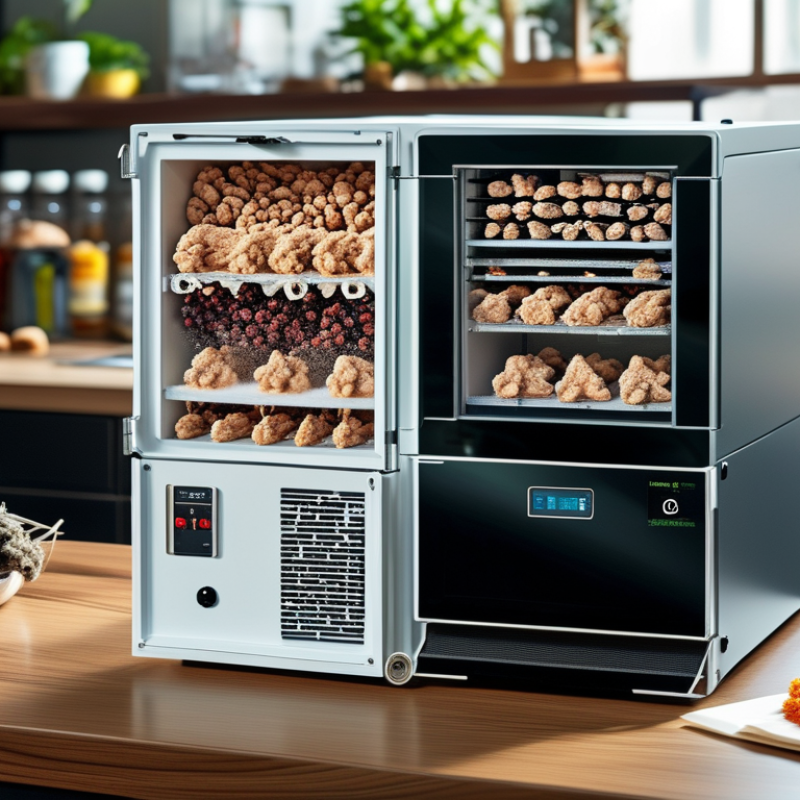
Understanding Lyophilization and Its Importance for Businesses
Lyophilization, or freeze-drying, is an essential process for many businesses, particularly in pharmaceuticals and food production. According to a 2022 industry report, the global lyophilization market is projected to reach $3 billion by 2027. This showcases the growing importance of effective preservation methods. Lyophilization removes moisture, ensuring products retain their structure and nutrients. It allows for longer shelf life and better stability in transportation.
When considering lyophilization, it’s crucial to understand the specific needs of your business. For example, temperature sensitivity varies among products. Proper equipment must accommodate these needs to maintain quality. A misstep could lead to spoilage, incurring high costs. Data highlights that up to 25% of products can degrade if not frozen correctly. This emphasizes the need for tailored solutions and proper training in handling machines.
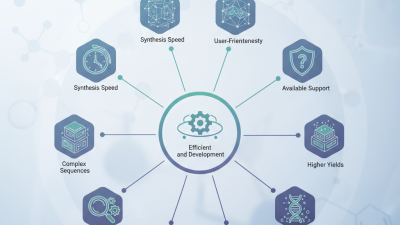
Moreover, the choice of a lyophilization machine can impact efficiency. Complexities in machines may require a steep learning curve. Many operators may feel overwhelmed. Investing in user-friendly technology can reduce error rates. Ensuring that staff are adequately trained is equally vital. Without proper knowledge, the best machine may fail to deliver anticipated results. Lastly, consider ongoing maintenance needs to ensure reliability in production.
Key Factors to Consider When Choosing a Lyophilization Machine
When selecting a lyophilization machine, understanding your specific needs is crucial. Evaluate your production scale. Small businesses might require compact models, while larger operations benefit from industrial units. Consider your product type. Different materials, such as pharmaceuticals or foods, may demand unique freezing and drying conditions.
Energy efficiency is another important factor. A machine that consumes less energy can significantly reduce costs over time. Look for machines with adjustable temperature settings and customizable cycles. This flexibility can enhance product quality. Remember, maintenance can become a burden if the machine isn't user-friendly. Choose a machine that is easy to clean and maintain.
Finally, reliable customer support from the manufacturer is vital. Delays can disrupt your production schedule. Research reviews and testimonials to gauge experiences from other users. Though you may find machines with excellent specs, real-world performance can vary. Prioritize equipment that combines quality, efficiency, and good service. Reflect on how these factors align with your business goals to make the best choice.
How to Choose the Best Lyophilization Machine for Your Business?
| Key Factors |
Description |
Considerations |
| Capacity |
The amount of product that can be lyophilized in one batch. |
Evaluate your production scale and future growth plans. |
| Vacuum Performance |
The efficiency of the vacuum system in removing moisture. |
Ensure it can maintain adequate levels for your products. |
| Heating Method |
Type of heating used for drying, such as conduction or radiation. |
Consider products' heat sensitivity when selecting a method. |
| Control System |
The software and interface used to operate the machine. |
Look for user-friendly controls and automation features. |
| Energy Efficiency |
Power consumption of the machine during operation. |
Evaluate long-term operational costs based on energy use. |
| Maintenance Requirements |
Frequency and type of maintenance needed for optimal performance. |
Consider available support services and parts accessibility. |
| Cost |
Initial purchase price as well as ongoing operational expenses. |
Balance budget constraints with desired features and performance. |
Evaluating the Technical Specifications of Lyophilization Machines
When evaluating lyophilization machines, it's essential to focus on technical specifications that align with your business needs. Consider the freeze-drying capacity. Look for machines that provide sufficient output for your production requirements. The capacity should match your volume and product types. This ensures efficiency in the drying process.
Temperature control is another critical factor. Precise temperature regulation enhances the quality of your final product. Stability in temperature can prevent damage to sensitive compounds. Also, evaluate the shelf area and the number of trays. More trays allow for greater batch sizes, which can save time and energy.
Additionally, consider the product's compatibility with various materials. Some machines may work well for pharmaceuticals, while others are better suited for food products. It is important to ensure that your chosen machine will handle your specific applications effectively. Reflect on these aspects thoroughly. Balancing capacity with product safety and quality can be challenging but is crucial for your business.
Comparison of Key Specifications of Lyophilization Machines
Assessing Budget and Cost-Effectiveness for Your Business Needs
Selecting the right lyophilization machine involves careful consideration of budget and cost-effectiveness. Analyze your financial capacity before making any decisions. A detailed breakdown of costs is essential. Equipment prices vary widely, influenced by features, size, and technology. Allocate funds not just for the machine, but also for maintenance and operational costs.
Evaluate what you truly need from a lyophilization machine. A higher upfront cost might translate to better efficiency over time. Look for machines that offer flexibility in capacity, as this can save money in the long run. Do not overlook additional expenses, such as installation and training for your staff. These can add up quickly.
Reflect on your production goals and the scalability of the equipment. Will it meet future demands? Consider the reliability of the manufacturer. Researching user reviews can provide insight into long-term performance. Outdated machines can lead to higher operational costs, so invest wisely. A thoughtful approach today can minimize regrets later.
Researching Manufacturers and Customer Support Options
When selecting a lyophilization machine, understanding manufacturer options is crucial. Begin by researching potential manufacturers. Look for companies with a solid history in the lyophilization industry. Focus on their experience and the technology they offer. Evaluate whether they specialize in your sector, as that can affect performance and reliability.
Customer support is another critical aspect. A responsive support team is invaluable, especially during the installation process. Test their communication by asking questions. Are their responses timely and informative? This reflects their commitment. Training on machine operation is also essential for your team. Inadequate training can lead to errors and inefficiencies later.
Don't overlook customer reviews. They provide real-world insights into user experience. Analyze both positive and negative feedback. This will help you identify ongoing issues or common praises. Remember, a well-supported machine is key to maintaining efficiency in your operations.