How to Choose a 21V 40mm Electric Pruning Shear in 2026?
Choosing a 21V 40mm Electric Pruning Shear in 2026 requires more than comparing prices and battery labels. The right model should match your trees, hand strength, cutting frequency, and working environment. A 40mm capacity sounds impressive, but real performance depends on fresh blade sharpness, motor torque, branch hardness, and battery condition. Do not trust the number alone.
During orchard work, small details become important. A balanced shear should feel steady after several hundred cuts. The trigger should respond smoothly, even when gloves are worn. A clear battery indicator can prevent an inconvenient stop beside a ladder or remote field row. Check the tool’s actual weight, charging time, spare battery availability, and replacement blade design. Manufacturer specifications provide useful evidence, but independent user reports may reveal heat buildup, delayed triggers, or uncomfortable grips.
Safety deserves equal attention. Look for a reliable lock, guarded cutting area, protective storage, and clear operating instructions. Professional growers should also examine service support and warranty terms before purchase. A cheaper tool may become expensive when parts are difficult to find. No model is perfect. Some powerful shears feel tiring, while lighter versions may struggle with dry hardwood. I have found that choosing maximum cutting capacity alone often leads to disappointment. The better decision comes from matching verified specifications with honest working needs, seasonal pruning conditions, and realistic maintenance habits. This guide explains those choices clearly, while recognizing that field results can vary.
What Is a 21V 40mm Electric Pruning Shear?
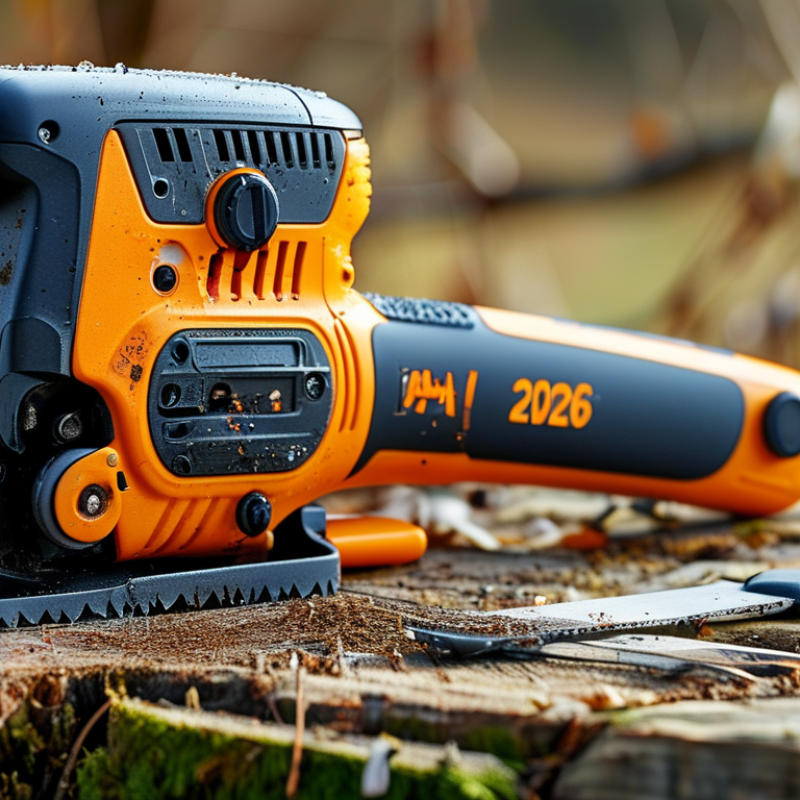
A 21V 40mm electric pruning shear is a battery-powered cutting tool for branches, vines, and woody garden growth. The 21V figure usually describes the battery system’s maximum voltage, not its constant working voltage. Many lithium battery packs operate lower during normal use. Check the technical label carefully.
The 40mm measurement means the rated maximum cutting diameter under suitable conditions. It does not guarantee clean cuts through every 40mm branch. Fresh, straight wood is easier than dry, twisted, or unusually hard wood. A sharp bypass blade, strong motor, and stable grip matter more than numbers alone. From practical use, a tool can feel powerful but still struggle when the blade opening is narrow. That detail is easy to miss.
Look for a balanced handle, a visible battery indicator, and a lock that prevents accidental activation. The trigger should respond smoothly, without forcing your wrist into an awkward angle. A removable battery is useful for long pruning sessions, but charging time and replacement cost deserve attention. Keep the blades clean and lightly lubricated after use. I sometimes judged tools by cutting speed alone, and that was a mistake. Lower vibration and controlled closing can protect the user’s hand during several hours of work. Always verify the actual cutting capacity in the manual before handling thicker branches.
Which Cutting and Power Features Matter Most?
How to Choose a 21V 40mm Electric Pruning Shear in 2026?
Cutting performance should come before impressive voltage numbers. A claimed 40mm capacity may apply only to soft, fresh wood. Dry hardwood can reduce that figure sharply. Look for a bypass blade, hardened steel, clean alignment, and adjustable opening sizes. A narrow opening helps with thin stems and saves battery power. A wider opening handles thicker branches, but it often slows the cut. I would test the trigger response carefully. Delayed cutting feels unsafe and wastes effort.
Power features matter during long orchard sessions. Check battery capacity in ampere-hours, charging time, cell protection, and motor efficiency. The International Energy Agency’s Global EV Outlook 2024 reported an average lithium-ion pack price of 139 US dollars per kWh in 2023, after a 14% annual decline. This trend may improve battery value, but it does not guarantee longer tool runtime. Also, “21V” can mean maximum voltage, not nominal voltage. Confirm the actual voltage and watt-hours. Weight matters. A heavy battery can tire the wrist before the blade fails.
Tips: Choose a shear with overload protection, a visible battery indicator, and replaceable blades. Compare claimed cutting cycles with branch diameter, not laboratory headlines. Keep a spare battery nearby. Field conditions are messier than brochures suggest. Sap, cold weather, and uneven branches can expose weaknesses quickly. A quieter brushless motor is useful, but cutting consistency matters more than sound.
How to Match Shear Specifications to Your Pruning Tasks?
Choosing a 21V, 40mm electric pruning shear starts with the branch, not the voltage. FAOSTAT’s latest crop statistics place annual global fruit production above 900 million tonnes. That volume hides very different pruning conditions. A 10mm young shoot needs speed. A 35mm mature limb needs torque, stable blades, and repeated cutting.
In field use, I match the rated 40mm capacity to regular cuts below 30mm. Maximum figures often assume clean, soft wood and a fully charged battery. Hard, wet, or angled branches can reduce practical capacity. I learned this after forcing a large cut; the shear stalled, and the cut surface became ragged. That was avoidable. Choose a bypass blade for living stems. Check whether replacement blades and adjustment tools are available.
The 21V label also needs scrutiny. Confirm whether it describes nominal or peak voltage. Compare amp-hour capacity, charge time, and battery weight. USDA NASS’s 2022 Census of Agriculture shows the diversity of farm operations, so one specification cannot suit every workflow. For orchard rows, prioritize low hand fatigue and quick cycling. For dense hedges, prioritize trigger response and maneuverability. For occasional garden work, a lighter pack may matter more than maximum diameter. Check. Record actual cuts per charge, branch diameter, and pause time for one week. The result may challenge the specification sheet.
What Safety, Comfort, and Maintenance Factors Should You Check?
When choosing a 21V 40mm electric pruning shear in 2026, safety deserves more attention than cutting speed. Check for a two-step trigger, trigger lock, blade-stop response, and a visible battery indicator. The handle should remain stable with one hand, even when cutting near a branch joint. Protective glasses and firm gloves are sensible, although gloves must not interfere with the trigger. A 40mm rating may describe ideal softwood, not every dry or twisted branch.
Comfort becomes obvious after an hour outdoors. Look for balanced weight, a non-slip grip, low vibration, and a battery that does not pull your wrist downward. Test the trigger pressure if possible. Small discomfort becomes real fatigue. I once focused too much on maximum diameter and overlooked handle shape; that was a poor buying decision. Clear instructions and documented safety testing also support a more reliable choice.
Tips: Clean sap from the blade after each session. Apply suitable lubricant sparingly, then wipe away excess oil. Inspect blade alignment, screws, and trigger movement before use. Charge the battery with its specified charger, and store it cool and dry. Do not force the shear through unusually hard wood. Stop when the cut feels rough, slow, or uneven. Replace damaged parts through qualified service support rather than improvising repairs.
How to Choose a 21V 40mm Electric Pruning Shear in 2026?
Recommended pre-purchase checklist by evaluation area
Use this checklist to compare models: safety checks should cover trigger protection, accidental-start prevention, blade guards, battery protection, and an emergency stop or lock function. Comfort checks include handle balance, grip design, tool weight, and trigger access. Maintenance checks include blade cleaning, sharpening, lubrication, fastener inspection, and battery-storage guidance. A 40mm cutting rating is a maximum specification, so actual capacity depends on wood species, moisture, blade condition, and cutting technique.